October 23–25, 2026
Fall camping weekend
Mountain Lakes Park
Camp beneath the stars, build connections, and create a shared altar. Parents and caregivers join the opening ceremony and a dedicated parent session.
Ages 12–15 · 2026–2027
A rite of passage journey
A nature-based coming-of-age journey for girls ages 12–15. Build confidence, friendship, and emotional resilience through outdoor adventure, creative expression, and meaningful ceremony.
Limited Spaces and Scholarships Available.
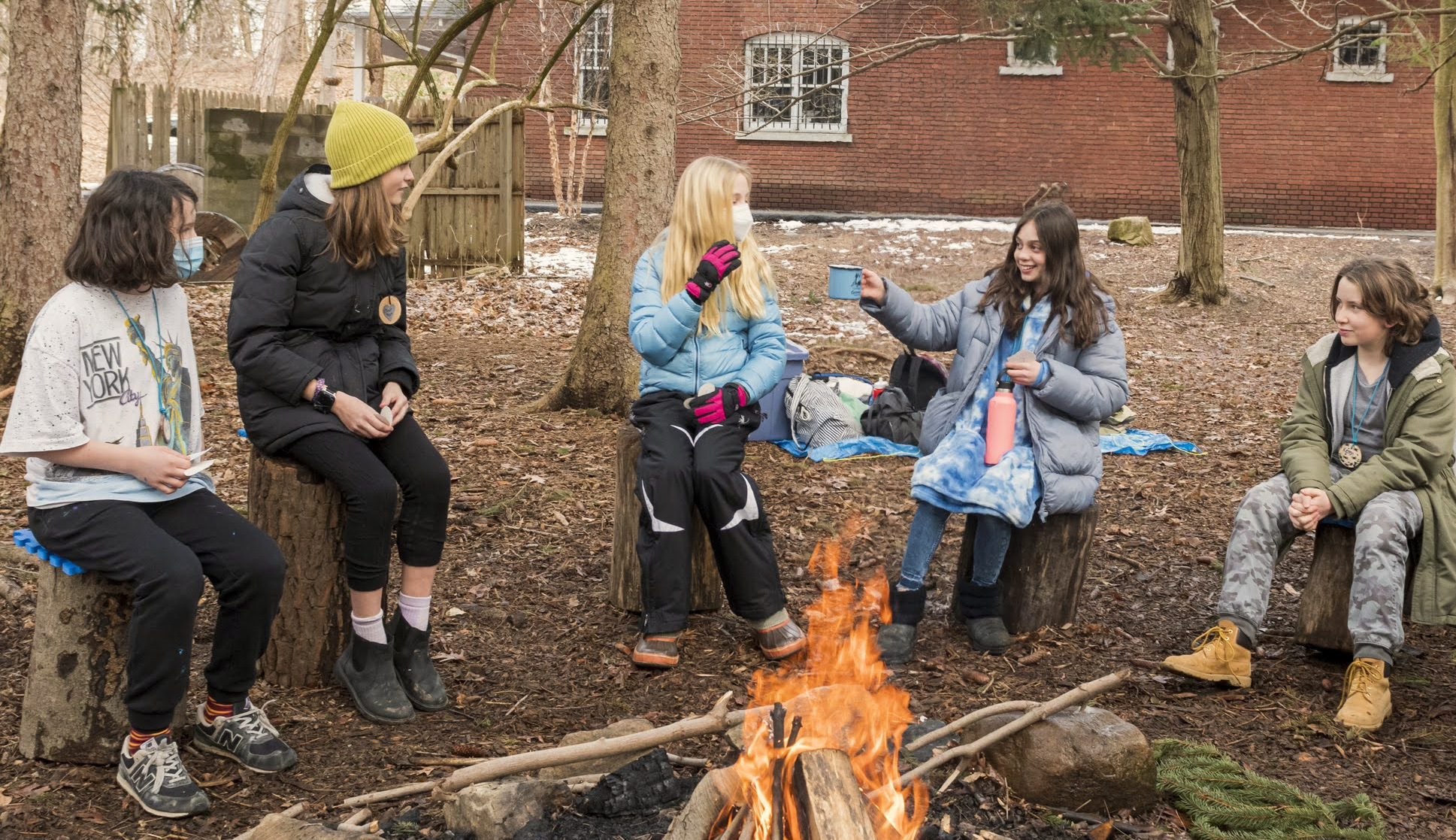
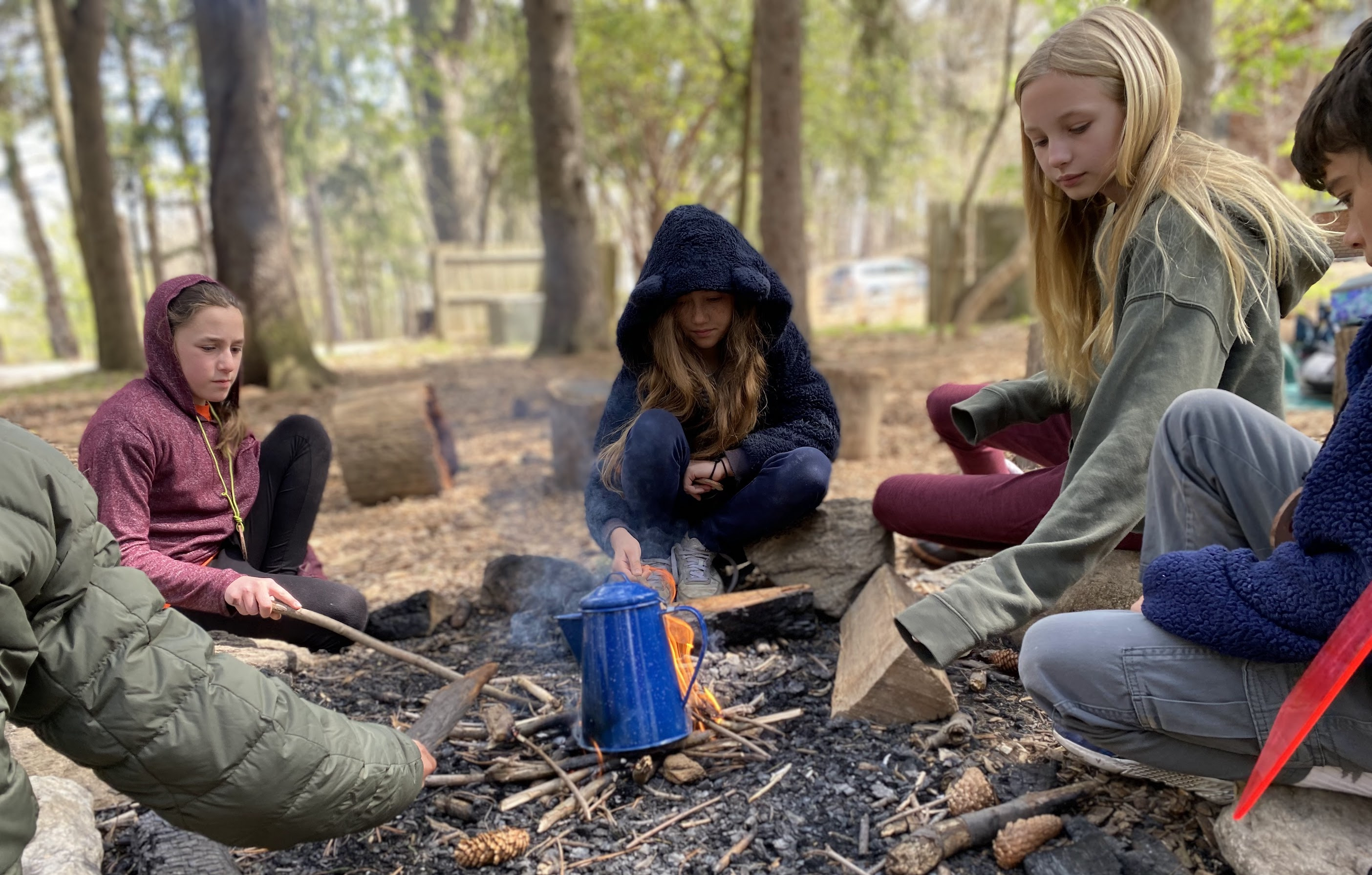
Gather for three seasonal weekends throughout the 2026–2027 school year, with family gatherings in between. A small group of 12 girls, supported by two experienced facilitators, explores connection to themselves, each other, and the Earth. Parents and caregivers receive support along the way.
Across the journey
2026–2027 journey
October 23–25, 2026
Mountain Lakes Park
Camp beneath the stars, build connections, and create a shared altar. Parents and caregivers join the opening ceremony and a dedicated parent session.
January 8–10, 2027
Home in Westchester
A cozy indoor weekend exploring our changing bodies and making natural self-care products to use and give.
May 7–9, 2027
Mountain Lakes or Upstate
Make rose beads, paddleboard, and help clean up the river. Close the journey with a Changing Woman Ceremony, with parents and caregivers invited to witness and celebrate.
Between weekends
A supported passage
Learn more about the care, community, and practices that shape Rose Blossoms.
Caregivers receive a dedicated support track. Community guests join our circles, and girls help shape themes and lead activities.
Two trained adults—a lead and an assistant/guide—bring experience in youth development, non-violent communication, outdoor education, and girls’ rites of passage.
Shared group agreements, consent, and individualized mentorship support participation. Materials are provided, with sliding-scale fees or scholarships available.
Join the Rose Blossoms Journey
Join the full Rose Blossoms journey or choose a weekend.
$550 per weekend · $1,450 for the full journey — save $200
Payment plans and scholarships available.
Registration details
Registering for
We’ll collect these details before sending you to QuickBooks for secure payment.
Your space is not confirmed until payment is completed in QuickBooks.
Support Wayfinders
Thank you
We’ll be in touch soon.